
Keep Inventory Status Changes Visible in the Dealer CRM
A lead about a vehicle does not disappear when that unit changes status. CRM context should help the next employee explain the change and offer a relevant next step.
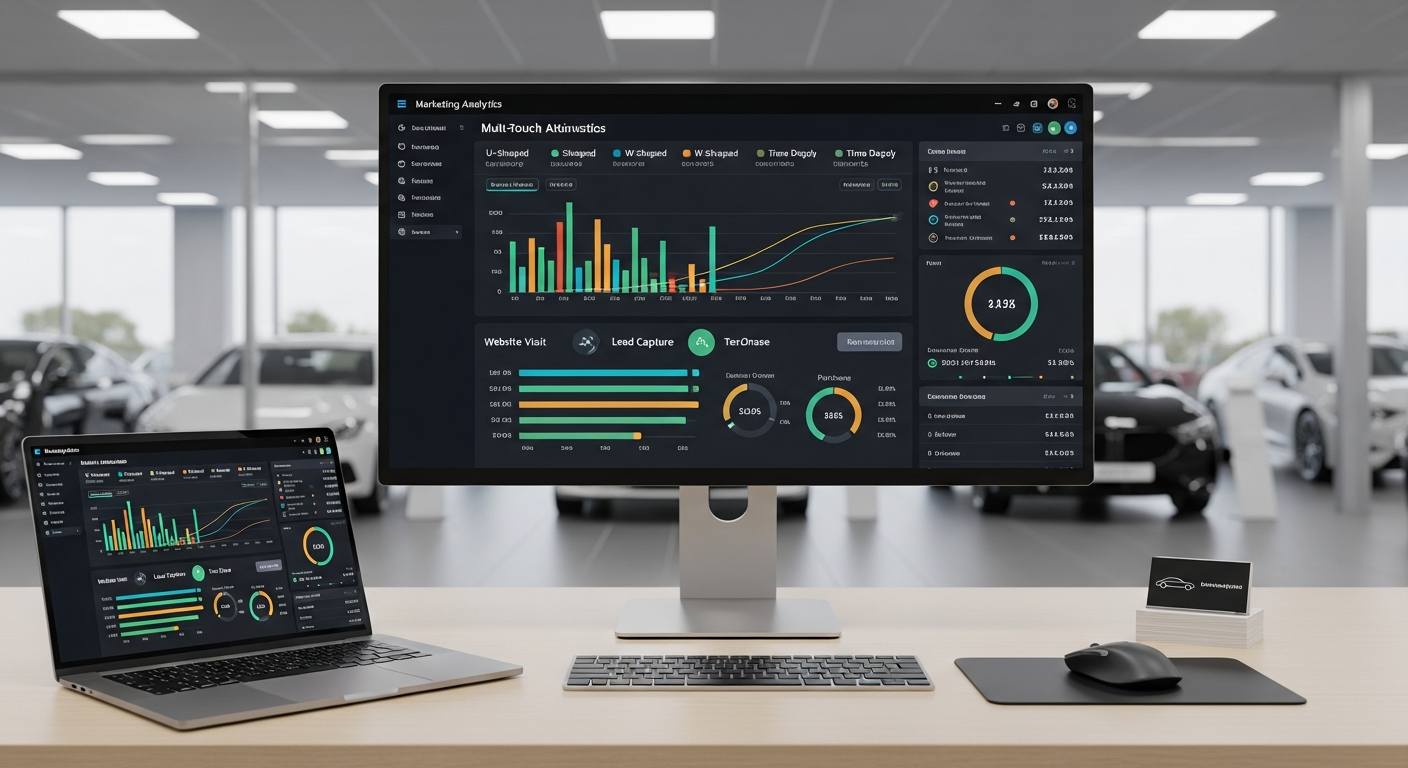
Inventory State Is Part of the Customer Record
A shopper can inquire about a vehicle while it is available, then receive a response after it is held, sold, transferred, or discovered to have a different status. If the CRM only stores the latest inventory label, the employee may not know what the shopper saw or why the conversation changed. Preserve the submitted vehicle reference and attach a current status with a timestamp. This lets the dealership respond honestly instead of silently rewriting the lead.
Define a controlled state vocabulary that reflects the store’s workflow: available, pending verification, held, sold, transferred, in service, or unavailable may be useful when each has an operational meaning. Avoid a long list of technical feed statuses that frontline employees cannot interpret. Pair each status with a customer-facing next step and the owner who can confirm it. A status is useful only when it changes what the employee should do.
Handle the Conversation When a Unit Changes
When a vehicle sells, the follow-up task should tell the employee to acknowledge the specific inquiry, explain that the unit is no longer available, and offer a relevant alternative only when one is genuinely available. If a vehicle is held or pending verification, set an expectation for when the team can confirm rather than promising access. Preserve the customer’s original preference so an alternative is not presented as if it were the requested unit.
Do not treat every status change as a reason to close a lead. A customer may want a model comparison, a trade conversation, or a future notification. Give the employee a disposition that describes the inventory event and a separate field for the customer’s chosen next step. This prevents “sold unit” from hiding whether the dealership recovered the conversation or simply ended it.
Make Feeds and People Agree
Inventory systems may update on a schedule, while the showroom knows about a hold or transfer before the feed changes. Define which system is authoritative for each state and how an employee can flag a discrepancy. If the CRM receives a stale status, make the age visible and route the record for verification. Do not ask the BDC to trust a feed that operations knows is delayed without giving them an exception path.
Review status-driven records by outcome. Look for duplicate apologies, alternatives that were not in stock, leads closed without a next step, and records where the status was corrected after the response. Use those examples to improve synchronization and scripts. The measure of good inventory context is not a low number of exceptions; it is a customer who gets a clear, accurate answer when the lot changes.
A status history is especially useful when inventory moves between rooftops. The employee should know whether the unit transferred, whether the customer asked about a specific location, and who can verify the next step. Keep location changes separate from availability so a transfer is not presented as a sale. That distinction gives the group a chance to offer a real alternative without pretending the original unit vanished for an unknown reason.
Inventory-Context Checklist
- Preserve submitted vehicle identity separately from the current inventory status.
- Use a short status vocabulary with an owner and customer-facing next step.
- Give employees scripts for sold, held, transferred, and unverified units.
- Separate inventory outcome from the customer’s chosen next step.
- Review stale states, unavailable alternatives, and closed records for recovery quality.
FAQ: Should Sold-Vehicle Leads Be Automatically Closed?
Not necessarily. The unit can be unavailable while the customer still has a useful model, trade, or alternative-vehicle conversation. Record the inventory event, notify the employee, and let the customer’s response determine the next status. Automatic closure may be appropriate for a defined workflow, but it should not erase the reason the customer contacted the dealership.
Inventory changes are inevitable. A CRM that preserves the timeline and gives employees an honest next step can turn a disappointing status change into a clear customer conversation.
Want to implement these strategies?
Relevant Dealer can run this exact playbook for your operation.
Talk to an Operator