
Design a Dealer Post-Purchase Email Series Around Ownership Moments
The weeks after delivery are full of practical questions. A thoughtful email series can support ownership before asking for another sale.
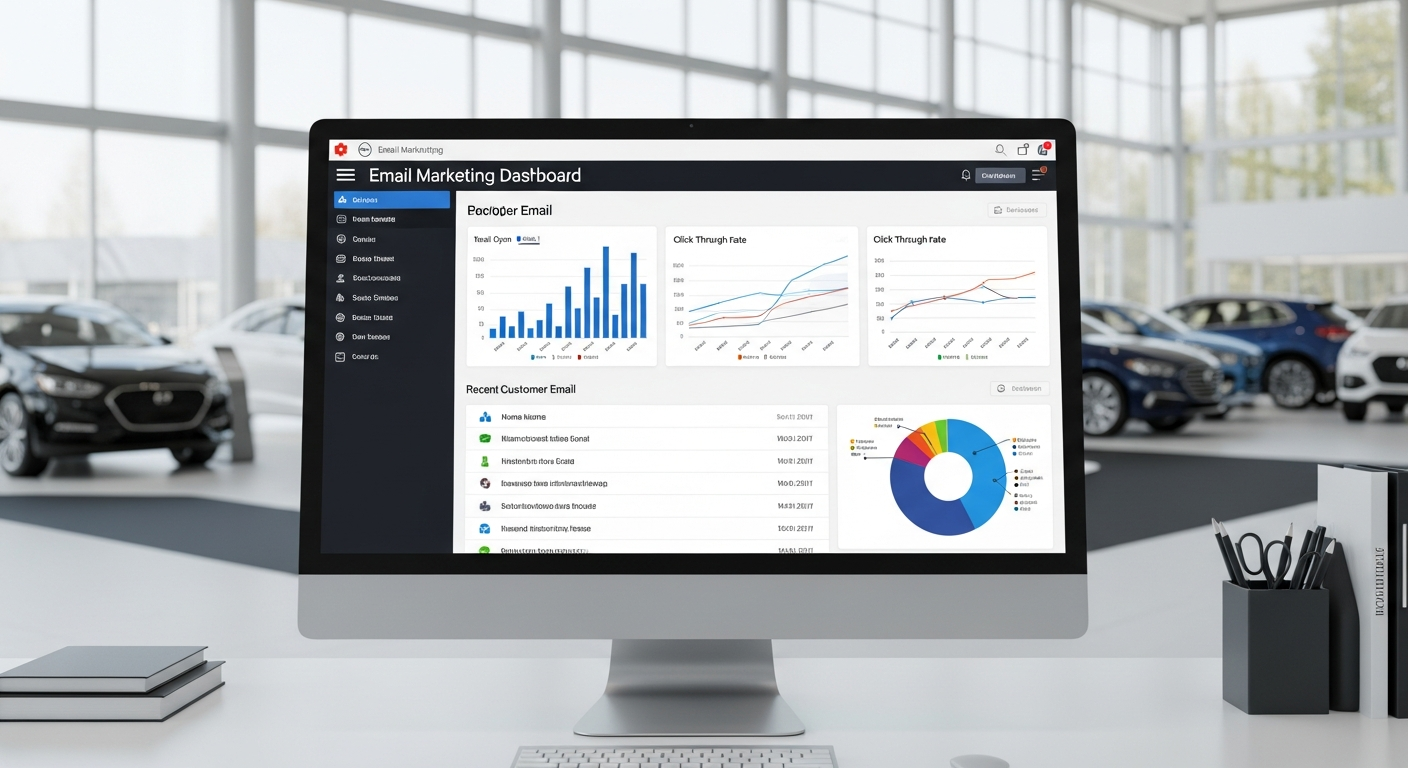
The Delivery Handoff Is the Beginning of Ownership Communication
A customer leaves the dealership with a vehicle, paperwork, and a large set of questions that may not surface during delivery. They may need help finding a control, understanding the first service contact, saving a phone number, or locating an accessory. A post-purchase email series can make those moments easier when it is built around the actual vehicle and the store’s verified support process. It should not be a sales sequence disguised as support. The first job is to help the new owner feel oriented and know where to ask for help.
Plan Messages Around Questions, Not a Calendar Alone
Map the first several ownership moments: delivery confirmation and contacts, a short guide to important controls, service department introduction, care or documentation reminders, and a request for questions or feedback. The exact timing should depend on the vehicle, customer preference, and information the store can verify. A customer with a new vehicle may need different guidance from someone buying used. A service reminder should not arrive before the store can explain how scheduling works. Give every message an entry condition, useful content, suppression rule, and owner.
- Use the delivered vehicle, model year, and verified support links rather than generic claims.
- Offer a human contact route for questions the message cannot answer.
- Suppress customers whose delivery was cancelled, returned, or still lacks required data.
- Keep promotional content separate from essential ownership help.
- Record which message version and customer preference produced the send.
Keep Feature Guidance Accurate and Calm
A useful message can point to an approved owner resource, explain where the service team can help, or invite the customer to schedule an orientation. Avoid inventing feature instructions from a generic trim description. Used vehicles may have equipment that varies by VIN, and model-year differences can make a broad guide misleading. If the store cannot verify a detail, say where the customer can confirm it. The tone should reduce uncertainty, not create pressure to respond to every message.
Coordinate With Sales and Fixed Ops
The series needs one clear handoff between the salesperson, delivery team, service department, and email owner. Decide who receives replies, who owns a request for an orientation, and how a customer’s preferred contact method is honored. Service should review scheduling links, hours, and language. Sales should know when an ownership question is support rather than a new sales opportunity. A short internal brief prevents the customer from being bounced between teams because the email promised a type of help nobody was assigned to provide.
Measure Helpfulness and Respect the Pause
Track delivery, replies, resource clicks, orientation requests, service contacts, opt-outs, and customer feedback where the systems permit. Do not treat every click as a purchase signal. Review questions that repeat and update the series when a link, process, or model guide changes. Give the customer a way to pause or change promotional communication without losing essential transaction information. The series earns attention by being useful at a moment when the customer is still learning the relationship.
FAQ
How many post-purchase emails should a dealer send?
Use the fewest messages that cover the store’s real ownership handoffs. A concise sequence with clear exits is better than a fixed stream that continues after the customer has received the help or asked for less communication.
Should a delivery email ask for a review?
A review request can have a place after the customer has had a fair experience, but it should not replace useful delivery support. Make the timing, destination, and request separate from essential ownership information.
Post-purchase email is a chance to prove that the dealership remains useful after the sale. When messages answer real ownership questions and route people to prepared staff, they strengthen the relationship without treating every interaction as another promotion.
Want to implement these strategies?
Relevant Dealer can run this exact playbook for your operation.
Talk to an Operator