
Use Decision Gates Before Expanding a Dealership’s Local Marketing Area
More geography can mean more opportunity and more operational strain. Decision gates help a dealership test a new area without promising service it cannot provide.
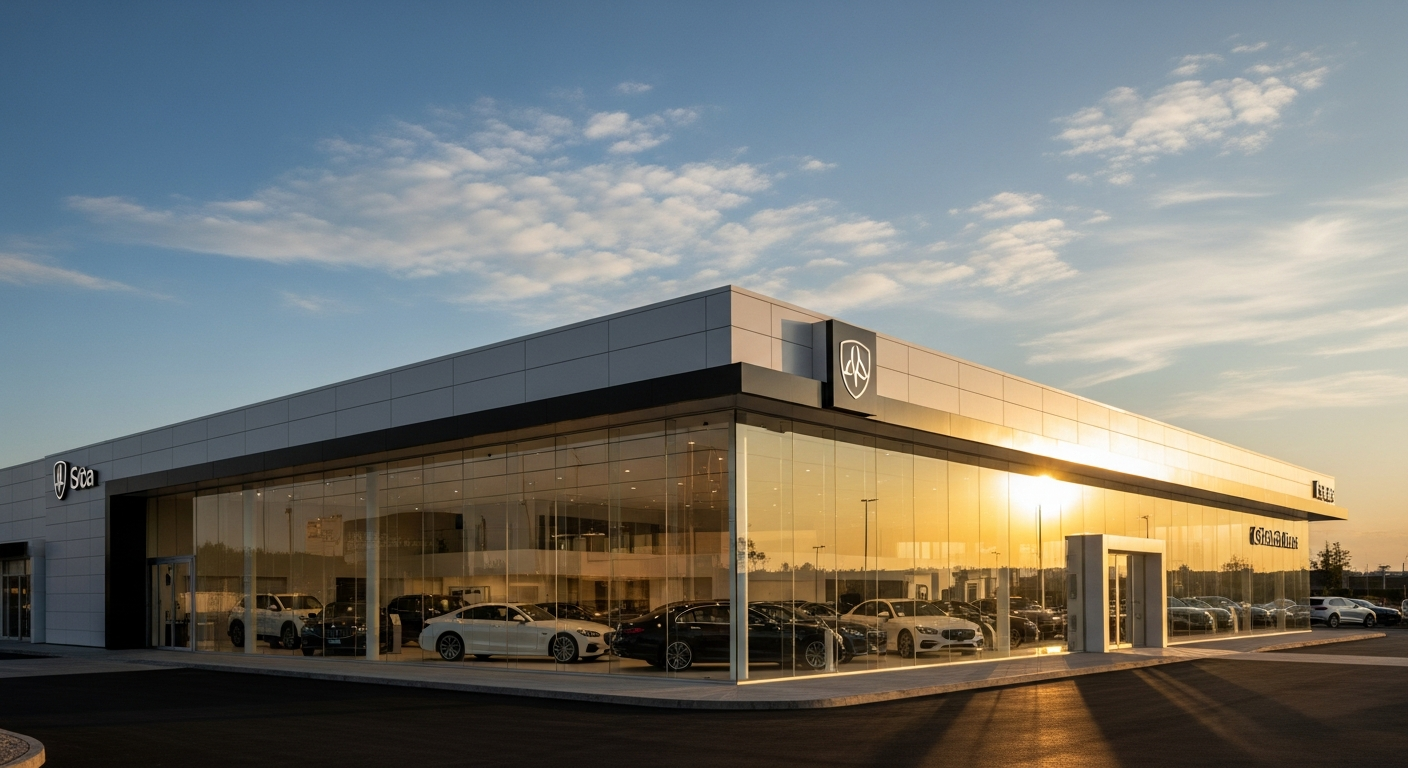
Expansion Starts With a Customer Reason
A dealership may consider reaching a neighboring community because inventory has changed, a new rooftop opened, a service capability is underused, or local awareness is weak. “More people” is not enough of a reason. Define what the new area’s customers need and what the dealership can offer them that is credible: a model mix, a convenient service route, a commercial capability, or a meaningful community connection. That reason shapes the message and the test boundaries.
Build a readiness brief before purchasing new reach. Include travel distance, delivery or pickup expectations, service access, staffing, inventory, phone routing, appointment availability, and local legal or disclosure review. A customer may be willing to travel for a specific vehicle but not for routine maintenance. Separate sales and service assumptions instead of using one radius for every journey.
Set Gates for a Small Test
A test area should have a clear geographic definition, a duration, a budget ceiling, and a stop condition. The landing page should name the relevant rooftop or explain the choices. The response team should know that the inquiry comes from the test and have a plan for questions about distance, delivery, trade handling, or service. If those basics are not ready, the test is measuring confusion as much as demand.
Use measures that reflect the reason for expansion. For sales, review qualified inquiries, visits, and outcomes with the travel context visible. For service, look at appointment requests that customers can realistically keep, not only page activity. Ask the receiving team whether requests from the area were workable. A low lead count may be acceptable if the test was designed to find a narrow need; a high count may be harmful if the store cannot follow up.
Learn Without Rewriting the Baseline
Keep the established local area separate from the test area in the campaign, destination, and report. Do not blend the two so a strong home market masks a weak expansion or vice versa. Record changes in inventory, promotions, staffing, and weather that could affect the comparison. The goal is not to prove that a new territory works in every condition. It is to learn whether the customer reason, operational promise, and response economics justify another step.
At the review, choose among expand, refine, hold, or stop. Explain the decision in terms of customer fit and operational evidence, not only the cheapest response. If the area needs a different service promise or a local partner before another test, record that prerequisite. Market expansion is a sequence of decisions, not a switch that stays on once the first campaign launches.
Ask the service and sales teams whether the proposed area changes the expectation they set after the first contact. A customer who travels for a purchase may still ask where warranty or routine service will happen. Provide that answer before expanding reach. If the dealership cannot explain the ownership path, keep the test focused on a specific sales need rather than implying a full local relationship that does not yet exist.
Expansion-Gate Checklist
- State the customer reason and separate sales, service, and commercial assumptions.
- Confirm inventory, travel, delivery, staffing, routing, and appointment readiness.
- Define test area, duration, budget ceiling, destination, and stop condition.
- Keep the established market and test market separately measurable.
- Choose expand, refine, hold, or stop using customer and operational evidence.
FAQ: Is a Larger Radius Always Better for Dealer Growth?
No. A larger radius may reach customers the dealership cannot serve conveniently or follow up with consistently. It can also obscure which local message or inventory need attracted the response. Expand only when the customer reason and store capability support a useful next step, and test the change in a bounded way.
Decision gates let a dealership explore thoughtfully. They protect the existing customer experience while giving new-market ideas enough structure to earn a larger investment.
Want to implement these strategies?
Relevant Dealer can run this exact playbook for your operation.
Talk to an Operator