
Use a Weather and Light Decision Matrix for Dealer Drone Shoots
A beautiful forecast is not a flight plan. Decide in advance what weather, light, and lot conditions mean for safety and usable footage.
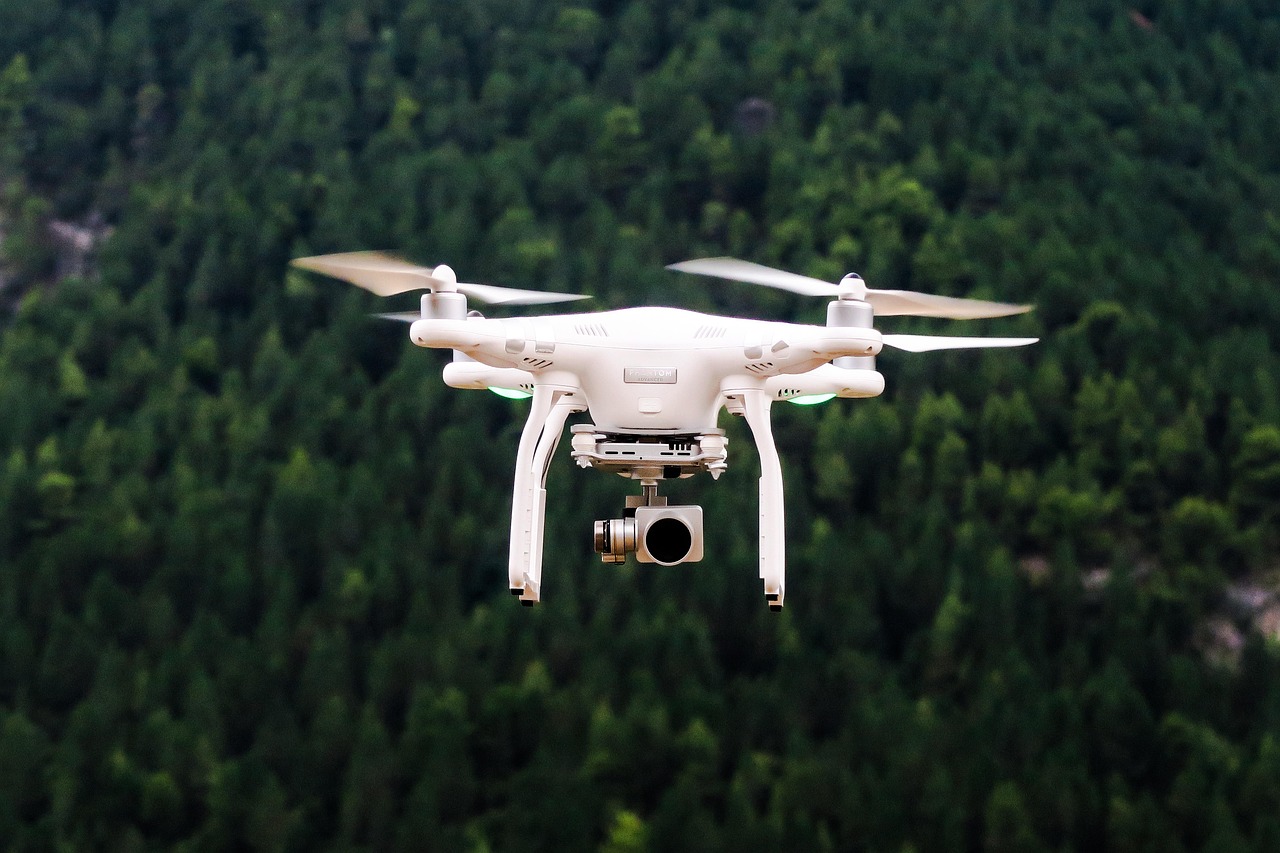
Weather Changes More Than the Sky
Drone crews often watch the forecast for rain and wind, then discover on site that glare, wet pavement, haze, heat, or a crowded lot makes the intended story difficult. A weather and light decision matrix helps the dealership choose between flying, changing the shot list, delaying, or canceling. It protects the operator and the store’s time while preventing a rushed production from producing footage that is technically captured but visually inconsistent or operationally misleading.
Separate Safety From Aesthetic Preference
The operator must determine whether current conditions permit a lawful, controlled flight under applicable requirements and the aircraft’s limitations. Marketing can then decide whether the available light and site condition serve the story. These are related decisions, not one decision. A safe flight may still be a poor choice for a clean exterior plate if the sun creates unreadable reflections. Conversely, an overcast day may provide gentle light that makes building and vehicle details easier to see. Safety should never be traded for a preferred look.
List the variables that matter to the final use: sun direction, shadow length, wind, precipitation, visibility, ground moisture, customer traffic, inventory arrangement, and the ability to secure a clear operating area. Include a decision time and a person empowered to cancel without debate. If the store is relying on the shoot for a launch date, reserve a backup window rather than pressuring the crew to accept marginal conditions. A backup plan can include interior, ground, or archival assets so the campaign is not held hostage by one flight.
Build Three Practical Outcomes
Use a green outcome when conditions support the intended flight and visual plan. Use an amber outcome when the operator can work safely but the creative team should switch to a revised route, shorter schedule, or different story. Use a red outcome when the flight should not proceed or the site cannot support the required controls. Write the trigger for each outcome in plain language. The matrix is useful only when it gives the store a decision it can make before the crew has unpacked.
- Green: approved conditions, controlled site, usable light, and a route that supports the brief.
- Amber: safe alternative possible, but revise shots, timing, location, or final-use expectations.
- Red: do not fly; activate the reschedule or non-aerial content plan.
- Record actual conditions, decision owner, and any visual limitations for the editor.
- Review whether the matrix predicted the day accurately before the next production.
Protect Continuity Across Multiple Days
If a shoot spans locations or a reshoot is required, note camera settings, sun direction, weather, vehicle placement, and seasonal details so the footage can coexist in one edit. A cloudy day and a hard-sun day may both be usable, but the editor should know the difference before building a sequence that jumps in light without purpose. Capture neutral plates when possible and avoid promising that color correction will make materially different conditions identical.
Matrix Review Before Takeoff
Keep the matrix beside the brief, site plan, and current operational contact. At the decision time, confirm airspace and flight conditions with the qualified operator, then let the creative owner choose the appropriate visual outcome within those limits. Afterward, record what was captured, what changed, and which footage needs an expiration note. Good production planning makes cancellation ordinary and alternatives useful, rather than making a marginal flight feel like the only professional choice.
FAQ
Who decides whether weather permits a flight?
The qualified operator decides whether the flight can be conducted safely and in compliance with applicable rules. The marketing team can decide whether the permitted conditions meet the creative brief or whether to use the fallback plan.
Should a dealer always wait for sunny weather?
No. The best light depends on the story, surfaces, and destination. Overcast or early light may be useful; the decision should follow safety, visibility, operational control, and the intended viewer experience.
Want to implement these strategies?
Relevant Dealer can run this exact playbook for your operation.
Talk to an Operator